DMV Smog Certificate Requirements in California
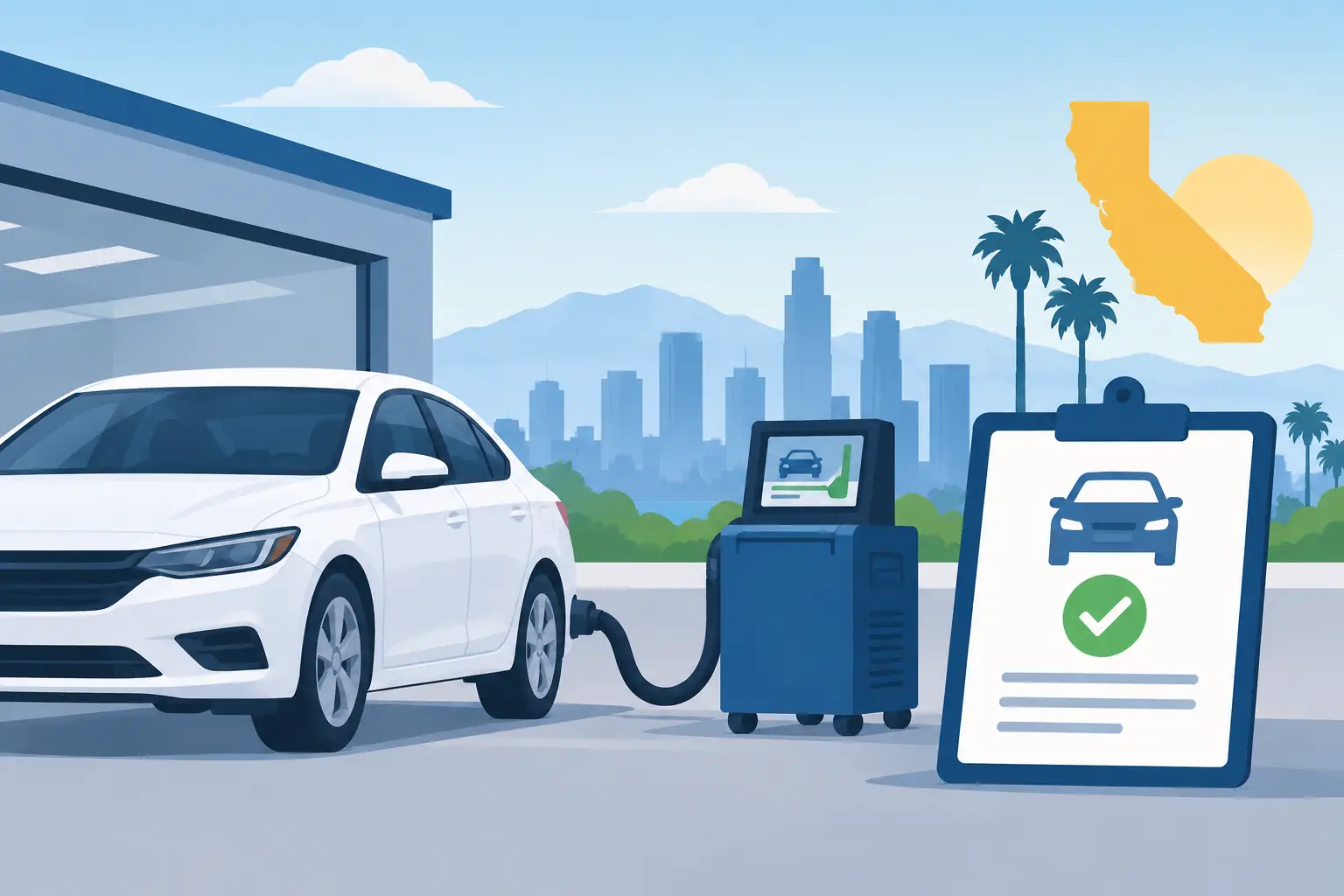
A DMV smog certificate is one of those registration details that can stop an otherwise simple DMV visit. If your renewal notice or vehicle transfer requires a smog inspection, the good news is that most of the process is straightforward: complete the test at a certified station, pass, and the result is sent electronically to the DMV. Knowing what is required before you arrive can save time, avoid repeat visits, and help you get back on the road without added stress.
What Is a DMV Smog Certificate?
In California, a smog certificate is confirmation that your vehicle passed a required emissions inspection. The inspection checks whether the vehicle’s emissions-control systems are operating within state standards. Depending on the vehicle, the technician may inspect the gas cap, check for a malfunction indicator light, connect to the vehicle’s onboard diagnostic system, and perform other required emissions tests.
For most drivers, there is no paper certificate to carry to the DMV. Once a certified smog station records a passing result, it transmits the information electronically. The DMV can then see that the smog requirement has been met. Keep your receipt for your records, but do not assume you need to bring a printed certificate to complete registration.
The key detail is timing. A passed inspection must be connected to the specific registration renewal or ownership transfer you are completing. If you tested too early, tested under the wrong vehicle information, or have another DMV hold on the registration, a passed smog test alone may not finish the process.
When California Drivers Need a Smog Certificate
Many California vehicles need a smog check every other year as part of registration renewal. The DMV generally sends a renewal notice that states whether a smog inspection is required. If the notice does not list a smog requirement, do not schedule a test just because the vehicle is older. Requirements can vary based on the vehicle, registration history, and DMV records.
A smog check is also commonly required when a vehicle changes ownership. In a private-party sale, the seller is generally responsible for providing a valid smog certification unless an exemption applies. A smog certificate used for a vehicle sale is generally valid for 90 days, so it makes sense to schedule it close to the sale date rather than months ahead of time.
Some vehicles are exempt from periodic testing, including fully electric vehicles, motorcycles, and certain newer model-year vehicles. Hybrids are not automatically exempt simply because they use less fuel. Diesel requirements can also depend on the model year and vehicle weight. Rather than guessing, check your DMV notice or ask a certified smog station to help confirm what applies to your vehicle.
Out-of-state vehicles being registered in California may need a smog inspection even if they recently passed an emissions test elsewhere. California follows its own program requirements, so an out-of-state test result may not meet DMV registration rules.
Registration Renewal Versus Vehicle Sale
The purpose of the test is similar, but the timing is different. For registration renewal, the DMV notice is your best guide. Complete the inspection early enough to handle an unexpected failure, but not so early that you create unnecessary complications with your registration timeline.
For a sale, the seller should arrange the test shortly before the transfer. Buyers should ask whether a smog certificate is required and confirm that it is current. This is especially helpful with older vehicles, where a repair may be needed before the vehicle can pass.
How the DMV Smog Certificate Process Works
The process starts with a certified inspection. Bring the vehicle, a current registration document if available, and any DMV paperwork that identifies special requirements. The technician will verify the vehicle identification information and complete the required test based on the vehicle’s year, fuel type, and emissions equipment.
If the vehicle passes, the station sends the certification to the DMV electronically. You pay the inspection fee, keep your receipt, and can move forward with your registration or transfer. In many cases, that is all there is to it.
If the vehicle fails, ask for a clear explanation of the reason before approving repairs. A failure does not automatically mean the vehicle needs major engine work. It could involve a check engine light, an emissions-related sensor, an evaporative emissions leak, a catalytic converter issue, or incomplete onboard diagnostic monitors. The right repair depends on the actual test result, not a guess.
At Best Smog Station & Auto Repair in National City, drivers can have the inspection and many needed repairs handled in the same location. That can reduce the hassle of moving a failed vehicle between shops and helps ensure the repair addresses the reason for the failure. The goal should always be necessary repairs, explained clearly, followed by a proper retest.
How to Prepare Before Your Smog Test
A little preparation can prevent the most common avoidable failure: arriving with a check engine light on. If that light is illuminated, the vehicle will usually not pass. Have the system diagnosed before scheduling the inspection. Turning off the light without repairing the cause is not a solution, and it can create another problem when the vehicle’s readiness monitors have not completed their self-checks.
Do not disconnect the battery or clear diagnostic trouble codes right before a smog test. That can reset the vehicle’s readiness monitors. Even if the check engine light stays off, the inspection may be incomplete until the vehicle has been driven enough for those monitors to run. The required drive time varies by vehicle, so there is no dependable one-size-fits-all number of miles.
Before your appointment, make sure the fuel cap is present and secure, the tires are properly inflated, and the vehicle has enough fuel to be driven normally. If the car has been sitting for a long time, give it a chance to reach normal operating temperature through regular driving. A basic visual check for obvious warning lights, loose hoses, or exhaust damage is worthwhile too.
Routine maintenance also matters. Fresh oil will not fix an emissions failure by itself, but neglected spark plugs, air filters, engine sensors, or fuel-system problems can contribute to poor performance and higher emissions. If your vehicle has been running rough, stalling, using more fuel than usual, or showing a warning light, address those concerns before the test instead of hoping they disappear at the inspection bay.
What Happens if Your Vehicle Fails?
A failed smog test gives you useful information, but it is only the starting point. The inspection report identifies the area that did not meet requirements. A qualified technician should then diagnose why that issue occurred. For example, a fault code may point to a sensor circuit, but the actual cause could be wiring damage, a vacuum leak, or another component affecting the system.
This is where clear communication matters. Ask what the test found, what diagnostic steps are recommended, what repair is necessary to correct the issue, and whether a retest is included or required separately. A trustworthy shop should explain the repair in plain language and avoid recommending unrelated work simply because the vehicle is already in the bay.
After repairs, the vehicle may need normal driving time before the readiness monitors reset. Rushing directly back for a retest can lead to another incomplete result. Your technician can tell you whether the repair is complete and whether the vehicle needs a drive cycle before returning.
Avoid Last-Minute Registration Problems
Waiting until the final day of registration is the biggest mistake drivers make. A quick passing test is easy enough, but a failed test can require diagnostics, parts, repairs, and driving time before a retest. Schedule your inspection when you still have room to solve a problem without risking late fees or time off work.
Use the information on your DMV renewal notice, bring your vehicle in with any warning lights addressed, and choose a shop that can explain the results honestly. A smog inspection should not feel like a mystery. With the right preparation and straightforward help when a repair is needed, you can handle the requirement and get back to your normal routine with confidence.