
Conventional Versus Synthetic Motor Oil
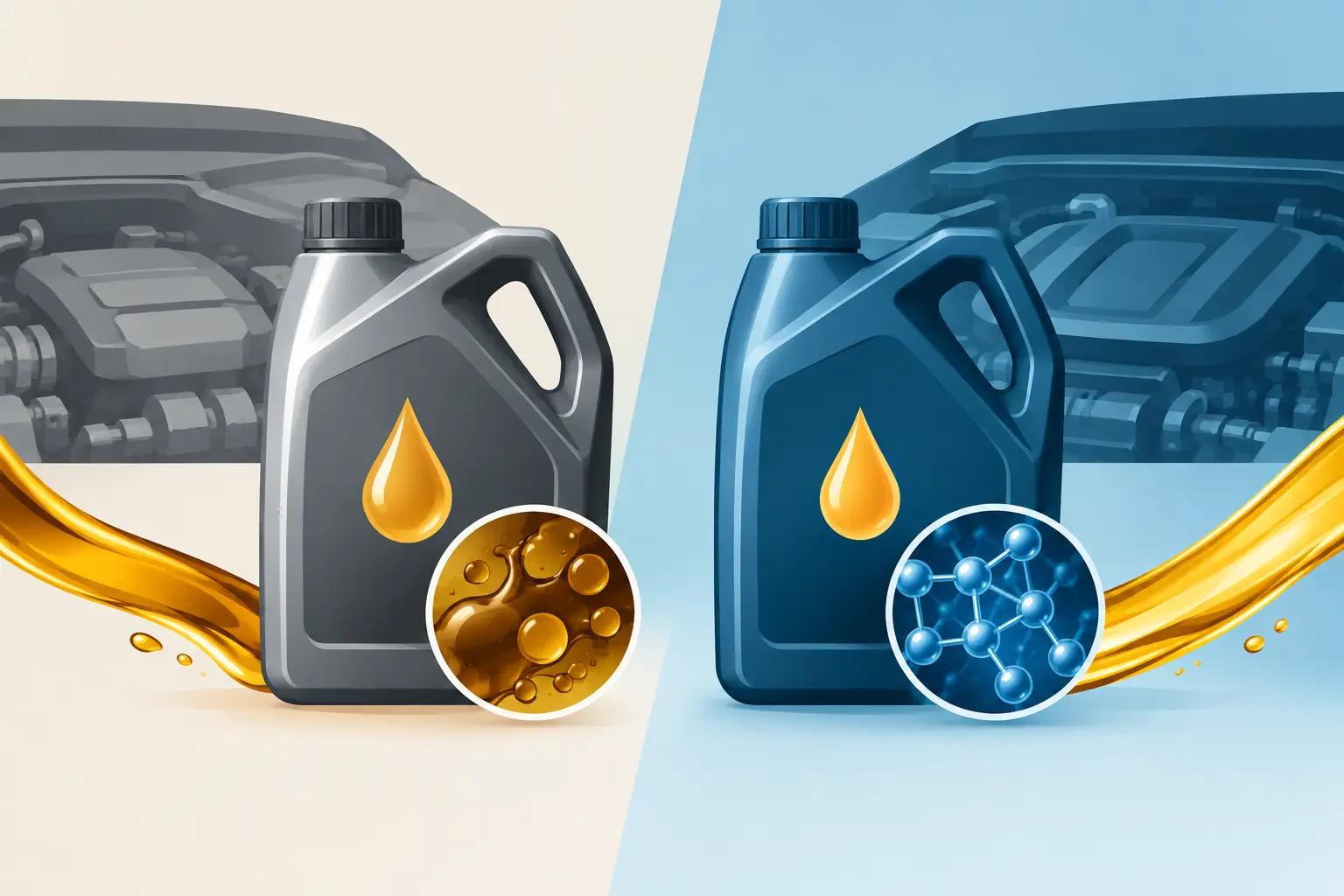
A low oil-change price can be appealing, especially when life is busy and the car seems to be running fine. But the choice between conventional versus synthetic motor oil affects more than the receipt total. It can influence engine protection in traffic, cold-start performance, oil-change intervals, and how well your vehicle handles the miles you drive every week.
For many National City drivers, synthetic oil is the practical choice because stop-and-go commutes, warm weather, short trips, and freeway driving all place demands on an engine. Still, conventional oil is not automatically the wrong answer. The best oil is the one that meets your vehicle manufacturer’s requirements and fits how you actually use the vehicle.
Conventional Versus Synthetic Motor Oil: The Main Difference
Conventional motor oil is refined from crude oil. It is made to lubricate engine components, carry away heat, help control deposits, and protect moving parts from wear. Quality conventional oil can provide dependable protection when used in an engine designed for it and changed on schedule.
Synthetic motor oil begins with highly refined base oils and is engineered for more consistent performance. Its molecules are more uniform than those in conventional oil, which helps the oil flow better at low temperatures and remain stable under high heat. Synthetic formulas also typically include additive packages designed to help resist oxidation, sludge, deposits, and viscosity breakdown.
That chemistry matters most when an engine works hard. A commuter sitting in traffic, a rideshare vehicle idling between trips, a truck hauling equipment, or a family SUV making frequent short drives can all benefit from oil that holds up well under stress.
Why Many Newer Vehicles Require Synthetic Oil
Many modern engines are built with tighter internal tolerances and advanced systems such as turbochargers, direct fuel injection, variable valve timing, or start-stop technology. These designs can improve power, fuel economy, and emissions, but they also make correct oil selection more important.
A turbocharger, for example, can expose oil to very high temperatures after a drive. Synthetic oil generally handles that heat better than conventional oil, helping reduce the risk of oil breakdown and deposits in critical areas. Engines with long manufacturer-recommended service intervals may also require a full synthetic formula that meets a specific industry or vehicle-maker standard.
The oil cap, owner’s manual, or service information will identify the required viscosity, such as 0W-20 or 5W-30, along with any required specification. Viscosity is not a minor detail. Using oil that is too thick, too thin, or missing the required approval can affect lubrication, fuel economy, engine performance, and warranty coverage.
If your manufacturer calls for full synthetic oil, switching to conventional simply to save money is usually a poor trade-off. The short-term savings can be small compared with the potential cost of accelerated wear or avoidable engine problems.
Where Conventional Oil Still Makes Sense
Conventional oil can still be a reasonable option for older vehicles that were designed for it, have straightforward engines, and follow shorter oil-change intervals. It may also make sense for a vehicle with low annual mileage that receives regular maintenance and is not exposed to heavy towing, extreme heat, or demanding commercial use.
The key is not to treat conventional oil as inferior in every situation. It is a proven lubricant when it meets the engine’s requirements. The limitation is that it generally does not maintain its protective qualities as long under severe conditions as a comparable synthetic formula.
For an older car that has always used conventional oil, a technician should consider the engine’s condition, service history, oil consumption, and manufacturer recommendations before suggesting a change. A good recommendation should be based on the vehicle, not on a one-size-fits-all sales pitch.
Does Synthetic Oil Cause Leaks in Older Engines?
This concern comes up often, and the short answer is no: synthetic oil does not create a leak in a healthy engine. Older synthetic formulations could sometimes reveal existing seal issues, which helped create the myth. Modern engine oils are formulated to be compatible with seals and commonly include conditioners that support seal performance.
What can happen is that an older engine already has hardened seals, worn gaskets, or accumulated deposits masking a weak spot. After an oil change, a leak may become noticeable, but the oil did not cause the worn seal or gasket. It exposed a maintenance issue that was already there.
If a higher-mileage vehicle is losing oil or showing signs of seepage, the right next step is an inspection. Moving to a thicker oil without diagnosing the cause can sometimes hide symptoms while creating other problems, especially if the engine requires a thinner modern viscosity.
The Real Cost: Price Per Change Versus Cost Per Mile
Synthetic oil changes usually cost more upfront than conventional oil changes. However, the price difference does not tell the whole story. Synthetic oil may be approved for a longer service interval, depending on the vehicle and the oil used, so the cost per mile can be closer than it first appears.
More importantly, oil changes are preventive maintenance. Fresh, correct oil helps protect expensive components that are not cheap to repair, including timing components, turbochargers, variable valve timing systems, and internal engine parts. Skipping oil changes or stretching intervals beyond what the vehicle can handle is where drivers often lose the value they hoped to gain.
Do not assume every synthetic oil change means you can drive the same number of miles. The proper interval depends on the manufacturer’s schedule, oil-life monitoring system, driving conditions, and the oil specification. Frequent short trips, long idling, towing, dusty conditions, and stop-and-go driving can all qualify as severe service and may call for more frequent changes.
Synthetic Blend Oil: A Middle Option
Synthetic blend oil combines conventional and synthetic base oils. It can offer better performance than conventional oil at a lower price than full synthetic, and it may be appropriate for certain vehicles. Some trucks, SUVs, and older vehicles can do well with a blend when the manufacturer allows it.
That said, a blend is not a substitute when the owner’s manual specifically requires full synthetic oil. It is also not always the best value if the vehicle will benefit from the longer-lasting protection of a full synthetic formula. The label alone is not enough. What matters is whether the oil meets the required viscosity and performance standard.
How to Choose the Right Oil for Your Vehicle
Start with the manufacturer’s requirements, then consider your driving habits. If you drive a late-model vehicle, use a turbocharged engine, spend time in heavy traffic, make frequent short trips, or depend on your vehicle for work, full synthetic oil is often the safer choice.
If you own an older vehicle with a basic engine, drive modest annual miles, and have a consistent maintenance record, conventional or synthetic blend oil may be appropriate if it meets the manufacturer’s specifications. High-mileage oils can also be useful for some older engines, particularly when minor oil consumption or seal aging is present.
An oil change should include more than replacing the oil. A proper service gives a technician a chance to check the oil level and condition, inspect for leaks, review filter quality, and look for early signs of maintenance needs. Catching a small seepage, worn belt, weak battery, or low fluid before it becomes a breakdown can save time and stress later.
At Best Smog Station & Auto Repair, recommendations are based on what your vehicle needs, how you drive it, and the service schedule that makes sense for your budget. Whether your vehicle needs conventional oil, a synthetic blend, or full synthetic, the goal is the same: reliable protection and fewer surprises on the road.
The next time the oil-change reminder comes on, bring the vehicle information and your typical driving routine into the conversation. The right oil is not always the most expensive option, but it should always be the one that keeps your engine protected for the miles ahead.