
Auto Repair That Gets You Back on the Road
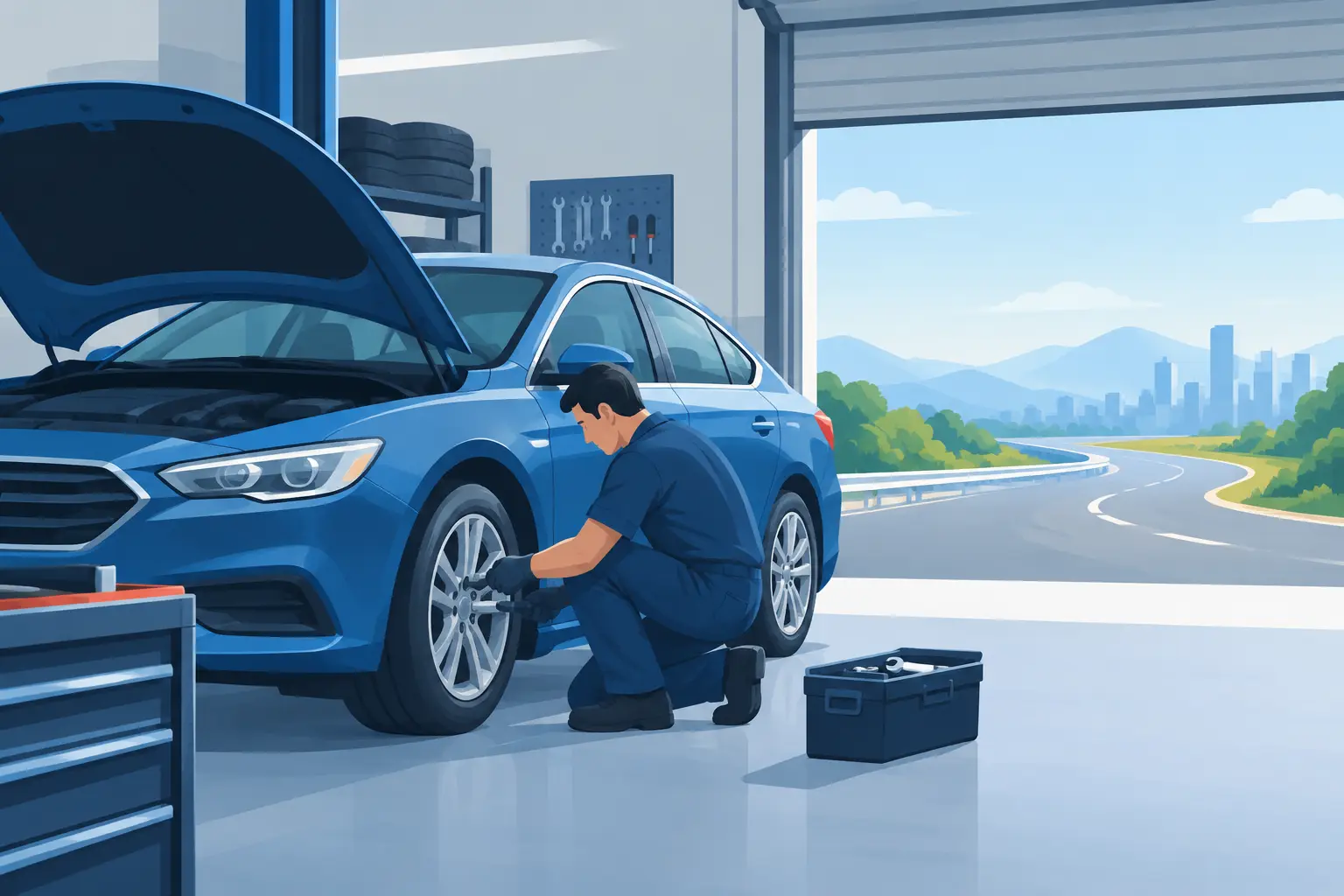
A warning light on the way to work, brakes that feel different, or an air conditioner that quits during a San Diego heat wave can turn an ordinary day into a stressful one. Good auto repair is not about selling the longest list of services. It is about finding the real issue, explaining it clearly, and making the repair that helps you drive safely and confidently again.
For National City drivers, a vehicle is often more than transportation. It gets you to work, takes the kids to school, supports a rideshare shift, or keeps a local business moving. When something goes wrong, you need straight answers, fair pricing, and a shop that respects your time.
What Honest Auto Repair Should Look Like
The right repair starts with diagnosis, not guesswork. A check engine light can point to something as simple as a loose gas cap, or it may indicate a sensor, ignition, fuel, or emissions problem. Replacing parts before confirming the cause can waste money and leave the original issue unresolved.
A trustworthy shop should explain what was found in plain language, what needs attention now, and what can reasonably wait. You should know how the recommended repair affects safety, reliability, and emissions before work begins. That does not mean every repair will be inexpensive, but it does mean there should be no pressure to approve work you do not need.
Clear communication also matters when a repair changes during the process. Some problems are only visible after an inspection or disassembly. In that case, you deserve an updated explanation and estimate before additional work moves forward.
Signs Your Vehicle Needs Auto Repair Soon
Cars rarely choose a convenient time to develop a problem, but they often provide early warnings. Paying attention to those signs can prevent a smaller repair from becoming a breakdown, a towing bill, or a missed day of work.
A dashboard warning light is one of the clearest signals. A steady check engine light should be diagnosed soon, especially if you have a smog inspection coming up. A flashing check engine light is more urgent because it can indicate an active engine misfire that may damage the catalytic converter. If the oil pressure or engine temperature warning light comes on, pull over safely and avoid continuing to drive until the vehicle can be checked.
Changes in braking deserve prompt attention. Squealing, grinding, vibration through the brake pedal, a soft pedal, or a vehicle that pulls when stopping can point to worn pads, rotor issues, hydraulic concerns, or other brake-system problems. Brake repairs depend on the condition of the full system, not just the pads, so an inspection is the best way to understand what is necessary.
Other warning signs include slow starting, dim lights, stalling, rough idling, slipping during shifts, fluid spots beneath the vehicle, unusual exhaust smells, and reduced air-conditioning performance. None of these automatically means a major repair. But ignoring them can make diagnosis more difficult and damage more expensive.
Why Fast Diagnosis Saves Time and Money
A proper diagnostic process uses the vehicle’s symptoms, maintenance history, visual inspection, test equipment, and road testing when appropriate. Computer codes are helpful, but a code is a clue, not always the failed part itself. For example, a code related to an oxygen sensor may be caused by wiring damage, an exhaust leak, an engine performance issue, or the sensor itself.
That is why fast service should not mean rushed service. The goal is to identify the source of the problem efficiently and recommend the most practical repair. For busy commuters and fleet operators, that approach reduces unnecessary downtime. For families, it provides confidence that the vehicle is being repaired for the road ahead, not just cleared from a warning light temporarily.
At Best Smog Station & Auto Repair, diagnostics are approached with the same practical focus as maintenance: identify the concern, explain the findings, and help customers decide on the next step without confusion.
Maintenance Is the Most Affordable Repair Strategy
Many unexpected repairs are not completely avoidable, especially as vehicles age. Still, routine maintenance gives drivers the best chance to catch wear before it causes a larger failure. Oil changes, brake inspections, fluid services, tire checks, battery testing, and cooling-system inspections all support a safer and more dependable vehicle.
The right maintenance schedule depends on the vehicle, how it is used, and its mileage. A commuter putting heavy freeway miles on a car may have different needs than a truck used for towing or a vehicle that spends most of its time on short local trips. Following the owner’s manual is a smart baseline, but real-world driving conditions matter too.
Synthetic oil changes are a common example. Many newer engines are designed for synthetic oil, and using the correct oil grade helps protect engine components between services. Waiting too long between oil changes can lead to sludge buildup, reduced lubrication, and costly internal engine wear. The cheapest oil change is not always the best value if it uses the wrong oil or skips a basic inspection.
Transmission service also requires a vehicle-specific approach. Some transmissions need periodic fluid service, while others have different manufacturer intervals or procedures. A qualified inspection can help determine whether service is due and whether there are warning signs that require further diagnosis.
Repairs That Should Not Be Put Off
Some concerns can be scheduled around your week. Others should move to the top of the list because they affect vehicle control, visibility, or the chance of being stranded.
Brake grinding, overheating, a flashing warning light, a major fluid leak, smoke, fuel odor, or a battery that repeatedly fails to start the vehicle should be checked as soon as possible. The same goes for steering that suddenly feels loose or a vehicle that shakes heavily at speed. Continuing to drive may create a larger repair, but more importantly, it can put you and others at risk.
Air-conditioning issues may seem less urgent, but they are worth addressing before temperatures rise. A weak A/C system can be caused by low refrigerant, a leak, a failing compressor, electrical trouble, or airflow problems. Simply adding refrigerant without finding the reason it is low may provide only temporary relief.
Electrical problems also need careful testing. Modern vehicles depend on batteries, alternators, starters, wiring, modules, and sensors working together. A slow crank could be a weak battery, but it could also involve the charging system or starter. Testing the complete system helps avoid replacing a part that was not the actual cause.
Getting a Better Experience From Your Repair Visit
You do not need to be a car expert to help a technician diagnose a problem. A few clear details can make a real difference. Note when the issue happens, whether it occurs while the engine is cold or warm, whether a warning light is on, and whether you hear, smell, or feel anything unusual. If the problem started after a recent repair, a pothole, or a long trip, mention that too.
When reviewing an estimate, ask what the repair solves, whether it is a safety concern, and what could happen if you wait. It is also reasonable to ask whether related maintenance should be handled at the same time. Sometimes combining work can save labor and prevent a second visit. Other times, separating repairs makes more sense for your budget. A good shop will help you understand the trade-off instead of treating every recommendation as equally urgent.
For vehicles that need emissions testing, taking care of warning lights and engine performance issues before a smog check can save time. A failed inspection is often a sign that the vehicle needs a repair or needs time for its readiness monitors to reset after a repair. Addressing the cause properly is more effective than trying to work around the test.
Reliable Driving Starts With a Clear Next Step
Whether your vehicle needs a quick oil service, brake work, engine diagnostics, A/C repair, or help preparing for a smog inspection, do not wait for a small concern to become a roadside problem. Bring in the symptoms, ask questions, and choose repairs based on clear information. The best next step is the one that keeps your vehicle safe, dependable, and ready for the miles ahead.