
What Happens During a California Smog Check
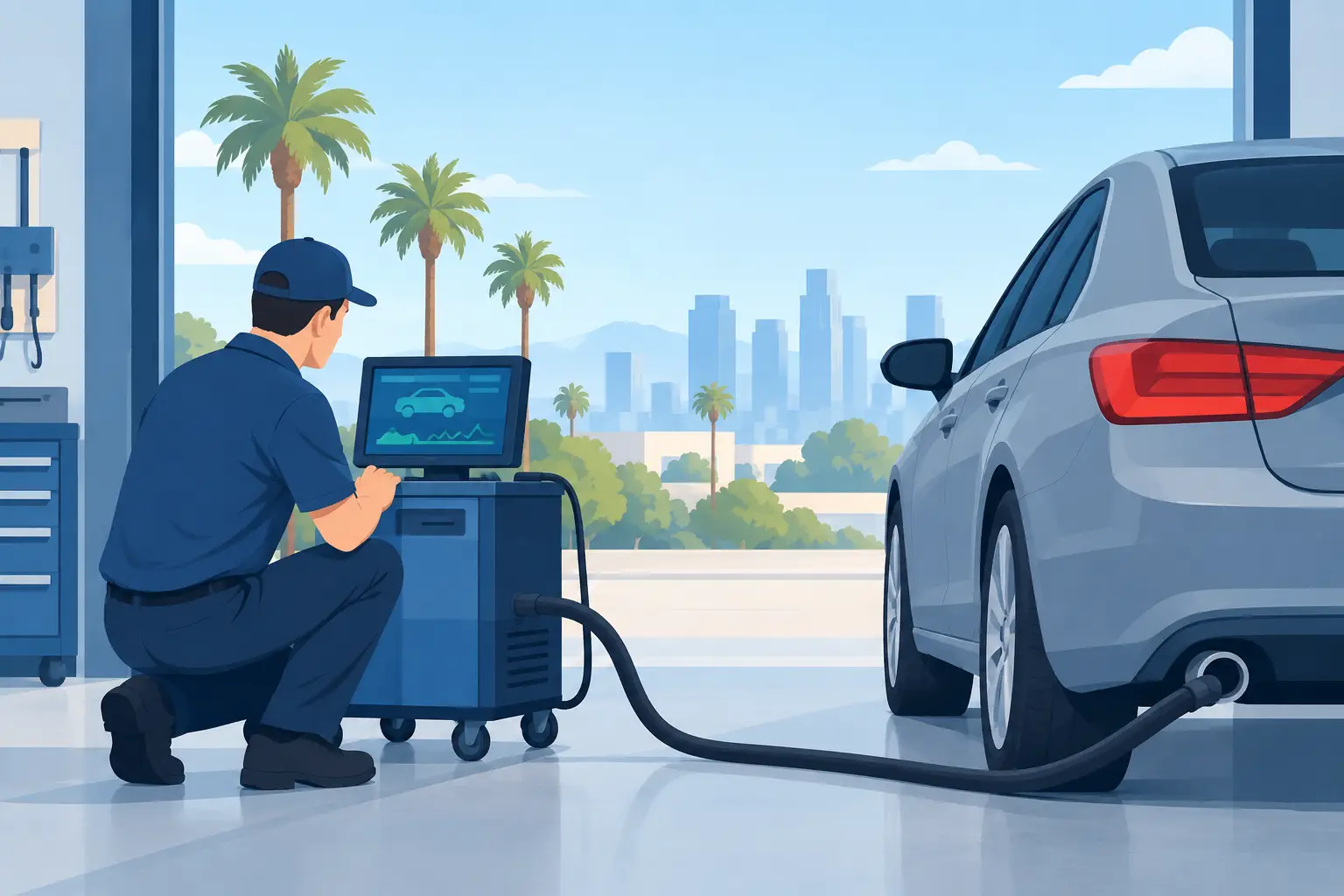
A smog check can feel like one more errand standing between you and your registration renewal. For most drivers, though, the visit is quick when the vehicle is running properly and the required paperwork is ready. Knowing what inspectors look for, what can cause a failure, and what to do afterward can save time, avoid repeat trips, and keep your DMV plans on track.
What a smog check is designed to do
California requires emissions inspections for many vehicles to help reduce air pollution from cars, trucks, and SUVs. A smog inspection verifies that your vehicle’s emissions-control system is working as intended and that it is not producing excessive pollutants.
The exact test depends on the vehicle. Many newer vehicles are checked through their onboard diagnostic system, often called OBD. The inspector connects approved equipment to the diagnostic port and confirms that the computer is not reporting emissions-related problems. Depending on the vehicle’s age and type, the inspection may also include a visual check of emissions equipment and other required procedures.
A passing result is generally sent electronically to the state, which means you usually do not need to carry a paper certificate to the DMV. Keep your receipt anyway. It gives you a record of the inspection and can be helpful if you have questions about your registration.
When California drivers may need an inspection
You may need a smog inspection when renewing registration, transferring ownership, registering a vehicle brought in from another state, or responding to a DMV notice. Not every vehicle is subject to the same rules. Model year, fuel type, vehicle weight rating, registration situation, and location can all affect the requirement.
For example, many California drivers face a biennial inspection requirement, while a seller may be responsible for providing a current certification during a private-party sale. Some vehicles have exemptions, and certain diesel, specialty, or heavy-duty vehicles follow different testing procedures. The DMV notice and your registration paperwork are the best starting point if you are unsure what applies to your vehicle.
Do not wait until the registration deadline if you can avoid it. If a repair is needed, starting early gives you room to diagnose the problem, complete the repair, and return for a retest without last-minute stress.
What to bring to your smog check appointment
Most visits are simple. Bring your vehicle, registration renewal notice or DMV paperwork if you have it, and a form of payment. If the vehicle has a check engine light on, a recent repair history can also be useful. It may help a technician understand what has already been addressed if the car does not pass.
Make sure the vehicle can be driven safely to the station. The battery should be secure, the fuel level should not be extremely low, and the engine should be warmed up through normal driving when possible. A cold vehicle is not automatically a problem, but arriving after a regular drive can help the engine and emissions system reach normal operating temperature.
Avoid disconnecting the battery or clearing diagnostic codes right before the test. Doing so can reset the vehicle’s readiness monitors. Those monitors need time and normal driving conditions to complete their self-checks, and an incomplete monitor status may prevent the vehicle from passing even if the check engine light is off.
The most common reasons vehicles fail
A failed inspection does not automatically mean the vehicle needs a major repair. Sometimes the cause is straightforward, such as a loose gas cap, a dashboard warning light, or an emissions-related monitor that has not completed after a battery replacement or repair.
The check engine light is one of the most common issues. It can be triggered by many things, from a minor evaporative-emissions leak to a failing oxygen sensor, ignition issue, fuel-delivery problem, or catalytic converter concern. The light tells you the computer found a fault. It does not identify the repair by itself.
Other potential causes include damaged or modified emissions equipment, exhaust leaks, worn spark plugs, ignition misfires, contaminated sensors, and mechanical engine problems. Vehicles that burn oil, run rough, or have noticeable fuel economy changes may need a more complete diagnosis before retesting.
This is where the difference between testing and repair matters. A test station can identify that a vehicle did not meet the required standard. A qualified repair shop can determine why. Replacing parts based only on a code can get expensive and may not solve the actual issue. Clear diagnostics should come first.
How to prepare without wasting money
The best preparation is basic maintenance, not a last-minute collection of additives or guesses. If your check engine light is on, have it diagnosed before your test. If the car has been sitting for a long time, has trouble starting, idles roughly, or recently had the battery disconnected, address those concerns early.
A normal drive before your appointment is often more useful than idling in the driveway. The vehicle needs operating time for the engine, catalytic converter, and onboard monitors to function under real conditions. There is no single drive pattern that works for every make and model, so do not assume a short trip around the block will reset every monitor.
Be cautious with quick fixes. Fuel additives, code clearing, or temporary repairs may mask a symptom without correcting the underlying cause. They can also delay a proper diagnosis. Honest repair work focuses on what the vehicle actually needs to run cleanly and reliably, not on selling unnecessary parts.
What happens if your vehicle does not pass
First, review the inspection report. It should show the areas that prevented a passing result, such as a diagnostic trouble code, readiness monitor status, or an equipment issue. Keep that report with your service records.
Next, schedule a diagnostic inspection with a shop that can perform the needed repair. Explain any symptoms you have noticed, including poor acceleration, fuel smell, rough idle, hard starts, reduced gas mileage, or a warning light that comes and goes. Those details help narrow down the cause.
After repairs, the vehicle may need to be driven enough for its onboard monitors to reset and complete. Your technician can explain what to expect based on the vehicle and the work performed. Then return for the required retest. In some situations, California assistance programs or repair cost options may be available for eligible drivers, so it is worth asking about current options before putting off necessary repairs.
Choose a station that can help after the test
Convenience matters when registration is due. A station that offers certified inspections along with diagnostics and repair can reduce the back-and-forth if an issue appears. Instead of taking a failed report to a second location and hoping for an answer, you can get a clear explanation of the problem and recommended next steps in one place.
At Best Smog Station & Auto Repair in National City, the goal is straightforward: provide a fast inspection, explain the results clearly, and recommend only the work needed to get your vehicle running properly. That approach helps commuters, families, rideshare drivers, and local fleet owners spend less time coordinating repairs and more time on the road.
A smog inspection is easier when you treat it as a checkup rather than a surprise. Bring the right paperwork, give yourself time before the deadline, and handle warning lights early. If your vehicle needs attention, a clear diagnosis and the right repair can turn a failed test into a practical step toward reliable driving.