
Best Maintenance Schedule for a Reliable Car
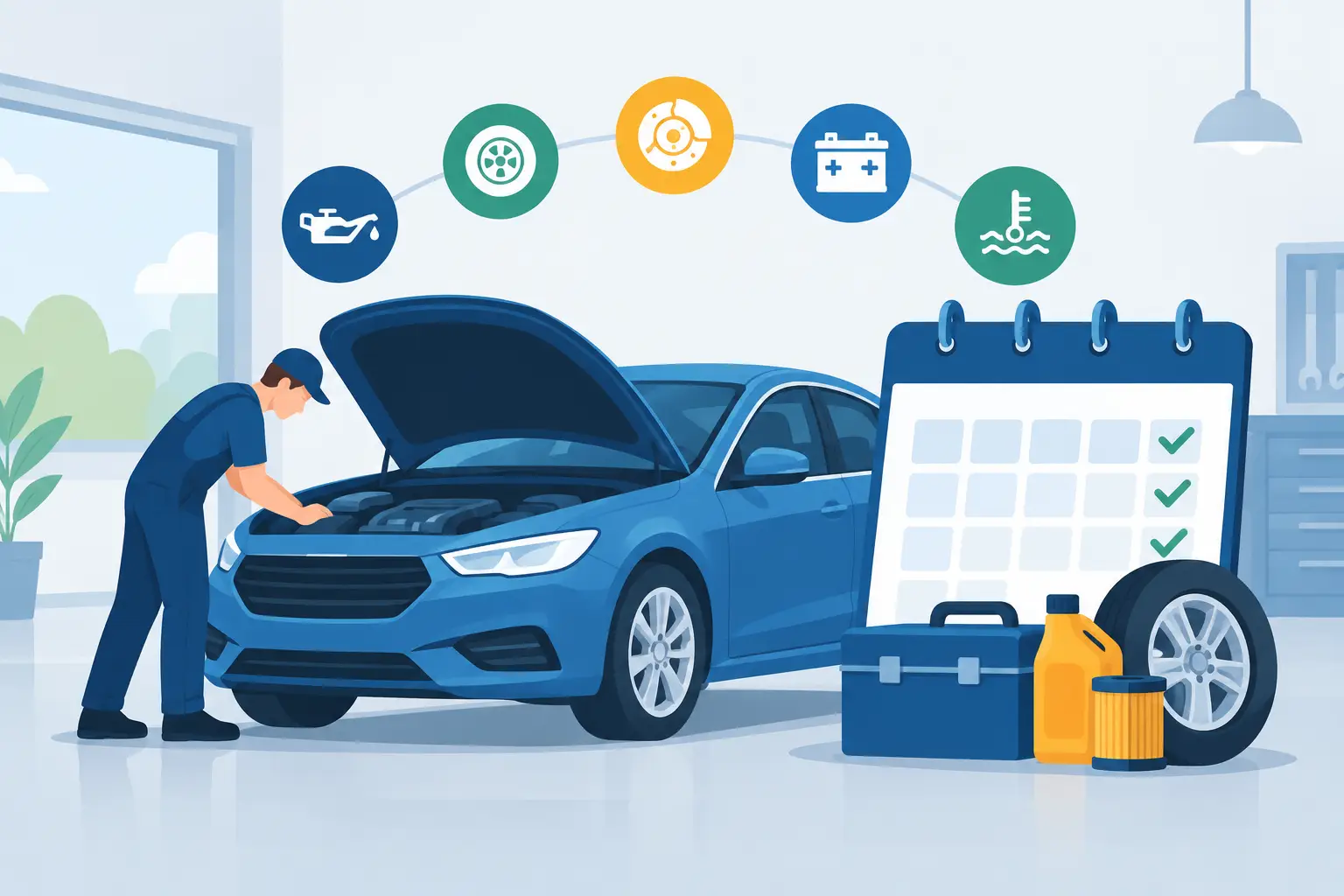
A dashboard warning light rarely shows up at a convenient time. It appears during a work commute, before a family trip, or when you already have a full week ahead. The best maintenance schedule helps reduce those surprises by handling small needs before they become expensive repairs.
For most drivers, maintenance is not about memorizing every part under the hood. It is about knowing what needs attention, when it needs attention, and who can explain the work clearly. A good schedule keeps your vehicle safer, protects its resale value, and gives you a better chance of avoiding a breakdown on I-5, the 805, or your daily route around San Diego County.
The Best Maintenance Schedule Is Not One-Size-Fits-All
Your owner’s manual is the starting point. It contains the service intervals designed for your vehicle’s engine, transmission, fluids, filters, and other major systems. But mileage alone does not tell the whole story.
A car that drives mostly short trips in city traffic may need service sooner than a car that spends most of its time cruising on the highway. Stop-and-go driving, hot weather, steep grades, heavy loads, long idling, and rideshare use all put additional strain on oil, brakes, batteries, and cooling systems. A work truck or delivery van may also need a more frequent plan than a lightly driven personal vehicle.
That is why the best schedule combines your manufacturer’s recommendations with how you actually use your car. It should be practical enough to follow, not a long list of services you do not need yet.
A Practical Vehicle Maintenance Timeline
Every Month and Before Long Drives
A quick walk-around can prevent a lot of trouble. Check tire pressure when the tires are cold, including the spare if your vehicle has one. Look for uneven tire wear, nails, sidewall damage, or a tire that keeps losing air. Proper pressure improves handling, helps tires last longer, and can support better fuel economy.
Also take a moment to look for fluid spots where you park. Check that headlights, brake lights, turn signals, and wipers are working. If the engine temperature starts running higher than usual, the brakes feel different, or a new noise develops, schedule an inspection rather than waiting for your next oil change.
Before a road trip, check your tire condition, engine oil level, coolant level, windshield washer fluid, and battery performance. A short inspection is far easier than finding a problem several hours from home.
About Every 5,000 to 7,500 Miles
For many modern vehicles using synthetic oil, this is a common window for an oil and filter change. The exact interval depends on the vehicle, oil type, engine condition, and driving habits. Some newer cars can go longer under ideal conditions, while vehicles that make frequent short trips or sit in traffic may benefit from earlier service.
Oil changes are also a useful time for a general inspection. A technician can look at brake wear, tire condition, fluid levels, belts, hoses, leaks, and the battery. This does not mean every issue needs immediate repair. It means you should know what is wearing normally, what needs monitoring, and what could become a safety concern.
Tire rotation is often recommended around this interval as well. Rotating tires helps them wear more evenly, which can extend tire life and improve ride quality. If your vehicle pulls to one side, the steering wheel is off-center, or the tires are wearing unevenly, an alignment check may be needed sooner.
About Every 15,000 to 30,000 Miles
At this stage, filters and fluids often deserve closer attention. Depending on the vehicle, this may include the engine air filter, cabin air filter, brake fluid inspection, and a review of transmission, coolant, and power steering fluid condition where applicable.
Cabin air filters are easy to overlook, especially in Southern California. A dirty filter can reduce airflow from the A/C system and allow more dust and pollutants into the cabin. If your air conditioning smells musty, airflow is weak, or windows fog more easily, the filter may be part of the problem.
Brake inspections also matter here. Brake pads do not all wear at the same rate. Your commute, vehicle weight, driving style, and terrain all affect pad and rotor life. Squealing, grinding, vibration while braking, a soft pedal, or a brake warning light should be checked promptly, regardless of mileage.
About Every 30,000 to 60,000 Miles
This is often when larger preventive services begin appearing on a maintenance plan. Your vehicle may need a transmission service, coolant exchange, brake fluid replacement, spark plug inspection, or fuel-system service. The right timing varies considerably by make and model, so this is an area where generic recommendations can lead to unnecessary work.
Transmission service is a good example. Some transmissions have serviceable fluid and filters, while others use fluids designed for longer intervals. Skipping needed service can shorten transmission life, but performing the wrong type of service can also create problems. The best approach is to follow manufacturer guidance and have the fluid condition evaluated when there are concerns.
Cooling-system maintenance is especially valuable in warm weather and heavy traffic. Coolant protects the engine from overheating and corrosion. If you notice a sweet smell, low coolant, visible leaks, or a temperature gauge that climbs above normal, do not keep driving and hope it settles down.
Around 60,000 to 100,000 Miles and Beyond
As mileage builds, scheduled maintenance becomes more vehicle-specific. Spark plugs, drive belts, timing belts, suspension components, wheel bearings, shocks or struts, and major fluid services may come due during this range.
Timing-belt replacement deserves special attention on vehicles equipped with one. Unlike a timing chain, a belt usually has a defined replacement interval. If it breaks, serious engine damage can occur on many engines. Do not wait for noise or a warning light, because a failing timing belt may not give you one.
This is also a smart time to pay attention to ride quality. A vehicle that bounces excessively, clunks over bumps, feels unstable when changing lanes, or dips heavily under braking may need suspension or steering service. These issues affect more than comfort. They can affect tire wear, braking control, and safe handling.
Build a Schedule You Can Actually Follow
The most useful maintenance plan is simple. Start with your current mileage, review the owner’s manual, and make sure you know when the last major services were performed. If you bought a used vehicle without complete records, a baseline inspection can help identify what has been done and what needs attention now.
Keep service receipts or use a phone reminder for oil changes, tire rotations, registration deadlines, and upcoming recommended maintenance. This is particularly helpful for households with more than one vehicle or businesses managing a small fleet. Consistent records make it easier to budget for work before it becomes urgent.
For fleet vehicles, maintenance should be planned around downtime. A van that misses a day of work costs more than the price of an oil change. Regular inspections, tire care, brake service, battery testing, and fluid checks help keep vehicles road-ready and make service scheduling more predictable.
Do Not Wait for Mileage If Something Feels Wrong
Maintenance intervals are helpful, but symptoms should always take priority. A check engine light, burning smell, hard starting, battery warning light, fluid leak, overheating, transmission slipping, or unusual brake response deserves attention now, not at the next scheduled visit.
The same is true after a failed smog inspection. An emissions issue can be caused by many things, from a loose gas cap to an engine performance problem. Accurate diagnostics matter because replacing parts without identifying the cause can waste time and money.
At Best Smog Station & Auto Repair, the goal is to give drivers a clear picture of what their vehicle needs, what can wait, and why a recommended repair matters. That approach helps you make confident decisions without feeling pressured into unnecessary work.
A maintenance schedule should make car ownership less stressful, not more complicated. Start with the next service your vehicle is due for, ask questions about any recommendations, and take care of concerns while they are still small. Your future self will appreciate the smoother drive and fewer unexpected interruptions.