
National City Engine Diagnostics You Can Trust
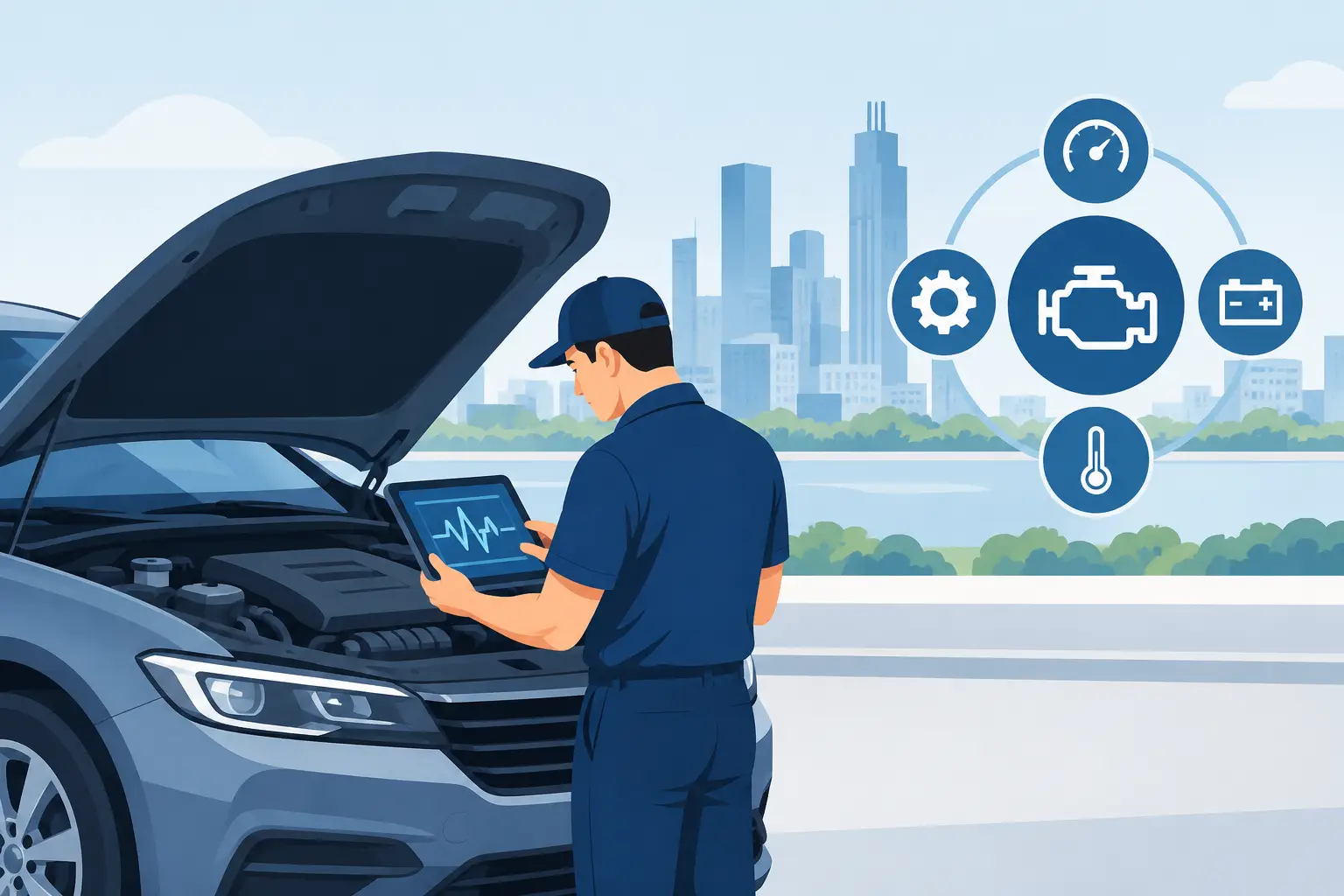
A check engine light can mean anything from a loose gas cap to a problem that could leave you stranded on the way to work. National City engine diagnostics should give you a clear answer, not a confusing list of codes and a pressure-filled repair estimate. The right diagnostic process identifies the cause of the problem, explains what needs attention now, and helps you make a practical decision for your vehicle and budget.
At Best Smog Station & Auto Repair, the goal is simple: find the issue accurately, recommend only the work your vehicle needs, and help get you back on the road without unnecessary delays.
What Engine Diagnostics Actually Means
Modern vehicles rely on computers, sensors, wiring, fuel-delivery components, ignition parts, and mechanical systems that all need to work together. When something falls outside the expected range, the vehicle may store a trouble code and turn on the check engine light.
That code is useful, but it is not a complete diagnosis. A code may point to a cylinder misfire, for example, without confirming whether the cause is a worn spark plug, failing ignition coil, fuel injector issue, vacuum leak, compression problem, or damaged wiring. Replacing a part based only on the first code can waste time and money.
A proper diagnostic inspection combines computer scanning with hands-on testing. A technician may review stored and pending codes, look at live sensor data, inspect visible components, test electrical circuits, check for leaks, and verify how the engine performs under the conditions that caused the warning light. This approach gets closer to the real problem before repairs begin.
A Warning Light Is Not Always an Emergency
A solid check engine light often means the vehicle needs attention soon, but it may still be safe to drive a short distance to the shop if it is running normally. A flashing check engine light is different. It commonly signals an active misfire that can damage the catalytic converter, especially if the vehicle is shaking, losing power, or producing a strong fuel smell.
If the light is flashing, the engine is overheating, oil pressure is low, or the vehicle is making loud mechanical noises, it is safer to stop driving and arrange service. Continuing to drive can turn a manageable repair into a much larger one.
Signs You May Need National City Engine Diagnostics
The check engine light gets the most attention, but it is not the only sign that something is wrong. A vehicle may need testing when it starts hard, idles roughly, hesitates when accelerating, stalls at stoplights, runs hotter than normal, or delivers noticeably worse fuel economy.
Other concerns can feel less obvious. You may smell gasoline, hear a ticking or knocking sound, notice reduced power on hills, or find that your car takes longer than usual to respond when you press the gas pedal. Some problems come and go, especially when a sensor, electrical connection, or ignition component is beginning to fail. Those intermittent issues are worth checking before they become a no-start situation.
For commuters, rideshare drivers, and fleet vehicles, early diagnostics can prevent unexpected downtime. A small drivability issue may seem tolerable for a few days, but daily mileage puts more stress on a developing problem. Addressing it early may protect fuel economy, reduce the chance of a breakdown, and help avoid damage to related components.
Why Trouble Codes Need More Than a Quick Scan
Many parts stores and basic code readers can retrieve an engine code. That can be helpful as a starting point, but it does not tell the whole story. Codes identify a system reporting an issue, not always the exact part that has failed.
For instance, an oxygen-sensor-related code does not automatically mean the oxygen sensor needs replacement. An exhaust leak, wiring issue, fuel mixture problem, or engine misfire can cause sensor readings that trigger the same type of code. Likewise, a catalyst-efficiency code may result from an underlying engine problem rather than a failed catalytic converter.
This is where transparent diagnostics matter. Before approving repairs, you should understand what was tested, what the results indicate, and why a recommended repair addresses the actual cause. If there are multiple possible paths, a good repair shop should explain the trade-offs clearly. On an older vehicle, for example, you may choose to repair the immediate concern first while monitoring a separate issue that is not affecting safety or reliability yet.
What to Expect During an Engine Diagnostic Visit
A useful appointment starts with your experience behind the wheel. Details such as when the problem occurs, whether it happens only when the engine is cold, and whether you recently had maintenance or repairs performed can help narrow down the cause. Even small details matter, including a recent drop in fuel economy or a warning light that appeared after filling up.
The technician can then inspect the vehicle, scan its computer systems, and test the affected system as needed. The amount of time required depends on the problem. A loose intake connection or worn ignition component may be found quickly. An intermittent electrical problem, a vacuum leak, or an issue that only occurs under load can take more testing.
Once the cause is identified, you should receive a clear explanation of the recommended work and cost before repairs move forward. This gives you the information to decide whether to handle the repair immediately, schedule it soon, or prioritize other necessary work. Safety concerns, severe drivability problems, and issues that could cause further damage should generally come first.
Bring the Details That Help Find the Problem Faster
You do not need automotive knowledge to prepare for diagnostics. Just be ready to describe what you notice: when the light came on, how the vehicle feels, any unusual sounds or smells, and whether the issue is constant or occasional. If another shop has already scanned the vehicle, bringing the code information can be useful, though the system should still be tested rather than assuming the earlier conclusion is correct.
Avoid clearing codes right before an appointment unless you have been instructed to do so. Clearing the system can erase useful information and reset emissions monitors, making the issue harder to confirm.
Engine Problems and Smog Readiness
For California drivers, engine diagnostics and emissions testing often go hand in hand. A check engine light can prevent a vehicle from passing a smog inspection, and a vehicle may also fail if its onboard emissions monitors are not ready. These monitors can reset after the battery is disconnected or after codes are cleared.
The practical approach is to diagnose and repair the underlying issue first. After a repair, the vehicle may need normal driving time for its self-tests to run. The exact time and driving conditions vary by vehicle, so there is no reliable one-size-fits-all mileage number. Rushing straight to a test after clearing codes can lead to an avoidable failed inspection or an incomplete-monitor result.
If your registration deadline is approaching, do not wait until the last day to address a warning light. Starting early provides time for accurate testing, repairs if needed, and monitor readiness before your smog visit.
Choose Repairs Based on Need, Not Pressure
Not every diagnostic finding carries the same urgency. A flashing warning light, overheating, severe oil leak, brake concern, or major loss of power deserves prompt attention. Other concerns may be less urgent but still worth planning for, such as a minor sensor issue that affects fuel economy or an intermittent problem that has not yet caused a breakdown.
The best decision depends on your vehicle’s condition, how much you drive, and what you need it to do. A family SUV used for daily school and work trips may need a different repair timeline than a second vehicle driven only on weekends. A business van or rideshare vehicle may justify faster preventive repairs because downtime directly affects income.
Clear recommendations let you make that call with confidence. You should know what needs repair now, what can be watched, and what could happen if a concern is delayed.
A warning light does not have to become a stressful guessing game. If your vehicle is running rough, losing power, or showing a check engine light, schedule a diagnostic inspection before the problem has a chance to interrupt your day.