What Emissions Testing Says About Your Car
A dashboard warning light may be easy to ignore when the car still starts, stops, and gets you to work. But when registration is due, emissions testing can turn that small warning into a real deadline. A failed smog inspection does not automatically mean your vehicle needs a major repair. It means the vehicle’s emissions system or onboard monitor needs attention before it can meet California requirements.
For drivers in National City and throughout San Diego County, the goal is simple: understand what the test is checking, address the actual cause of a failure, and get back on the road without paying for work you do not need.
What emissions testing actually checks
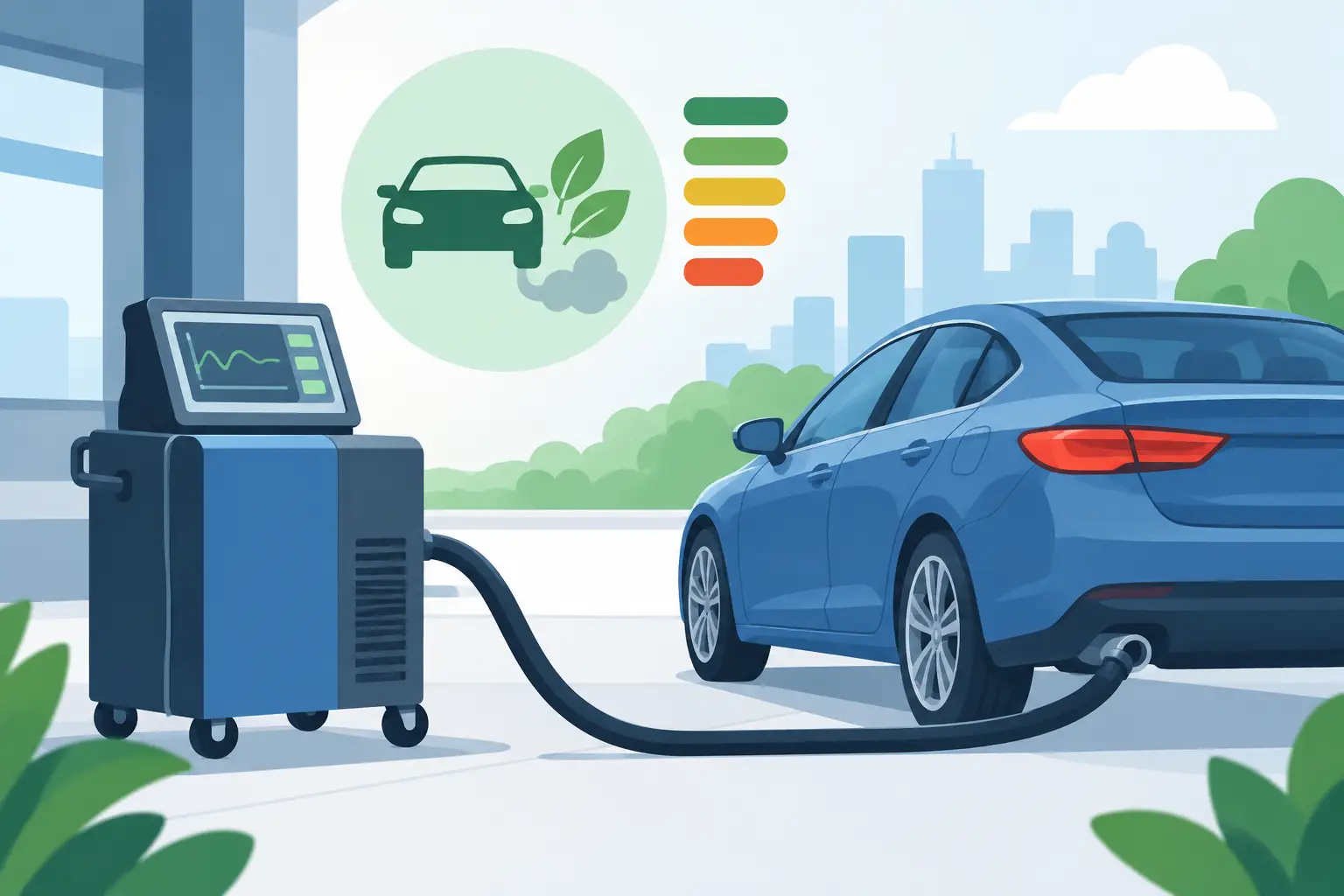
A smog inspection looks at whether your vehicle is controlling pollution as designed. Depending on the vehicle’s model year, fuel type, and equipment, the inspection may include a visual check of emissions components, a check-engine-light check, an onboard computer scan, and testing at the tailpipe.
Most newer vehicles rely heavily on the onboard diagnostic system, often called OBD-II. Your car’s computer monitors systems such as the catalytic converter, oxygen sensors, fuel control, evaporative emissions system, and exhaust gas recirculation system. When it finds a problem, it stores a diagnostic trouble code and may turn on the check engine light.
The test also confirms that required emissions equipment appears to be present and that the vehicle has enough completed readiness monitors. Those monitors are self-checks your vehicle runs during normal driving. If too many are incomplete, a vehicle can fail or be unable to complete the inspection even when the check engine light is off.
That is why a smog check is more than a paperwork step. It can reveal an issue that affects fuel economy, engine performance, and air quality long before the car leaves you stranded.
Why a vehicle can fail a smog inspection
Some failures are straightforward. An illuminated check engine light, a missing gas cap, or an obvious exhaust leak can stop the process quickly. Others require proper diagnostics because the code points to a system, not always one specific failed part.
A worn oxygen sensor, for example, can send inaccurate information to the engine computer. The computer may then run the engine too rich or too lean. A failing catalytic converter may not clean exhaust gases effectively. Vacuum leaks, aged spark plugs, fuel injector problems, ignition misfires, and a damaged EVAP component can also cause emissions-related trouble codes.
One common mistake is replacing parts based only on a code description. A code related to an oxygen sensor does not always mean the sensor itself is bad. The sensor may be reporting a problem caused by an exhaust leak, wiring issue, engine misfire, or fuel-control problem. Accurate testing helps prevent unnecessary repairs and repeat trips for a retest.
For older cars, tailpipe readings can offer additional clues. High hydrocarbons may point to incomplete combustion, while high carbon monoxide can indicate an overly rich fuel mixture. High nitrogen oxides can be connected to combustion temperature, EGR operation, or catalytic converter performance. The right repair depends on the full picture, not one number on a report.
The check engine light is not the only concern
A check engine light that is steady usually means the car should be diagnosed soon, especially if your inspection or registration renewal is coming up. A flashing check engine light is more urgent. It often signals an active misfire that can damage the catalytic converter, reduce power, and create a more expensive repair if you continue driving.
Drivers also run into trouble after clearing codes or disconnecting the battery. Doing either can erase the trouble code, but it also resets readiness monitors. The light may stay off while the car has not yet completed the self-tests needed for emissions testing.
The answer is not to rush straight to the inspection lane. Drive the vehicle through several normal cold starts, city streets, and highway conditions so its computer has time to run its checks. There is no single guaranteed mileage number because every vehicle and monitor is different. If the issue that triggered the code has not been repaired, the light may return before the monitors complete anyway.
How to prepare for emissions testing
A little preparation can save time, but it should be practical. Start by checking whether the check engine light is on. If it is, schedule diagnostics before your smog appointment rather than hoping the vehicle will pass. Also make sure the gas cap is installed correctly and is not visibly cracked or damaged.
Avoid disconnecting the battery, clearing codes, or using a quick-fix additive right before the test. These steps can create incomplete monitors or hide symptoms without correcting the underlying cause. A vehicle that has been sitting for a long time may benefit from regular driving before inspection, particularly if it has recently had repairs or battery work.
Basic maintenance matters as well. Old spark plugs, overdue oil changes, a clogged air filter, and neglected engine service can contribute to poor performance or emissions problems. Still, maintenance should match the vehicle’s actual needs. Replacing parts on a schedule can be smart, but replacing everything after one failed test is not a diagnostic plan.
What to do after a failed emissions test
First, keep the inspection report. It provides useful information about the failure, including diagnostic codes or test readings. Then have the vehicle evaluated by a shop that can both inspect the failure and handle the needed mechanical repair. That keeps communication clear and reduces the hassle of moving your car between separate locations.
A proper diagnostic process starts with the report and the vehicle’s stored data. A technician may inspect wiring, hoses, exhaust components, live sensor readings, fuel trims, ignition performance, and readiness-monitor status. If a repair is needed, ask for a clear explanation of the cause, the recommended repair, and whether any related issue should be addressed at the same time.
At Best Smog Station & Auto Repair, the focus is on finding the reason behind the failure and recommending necessary work only. Sometimes the repair is minor. Sometimes a vehicle needs deeper engine, electrical, or exhaust-system service. Either way, a clear diagnosis helps you make a decision based on facts instead of guesswork.
After repair, the vehicle may need driving time before a retest so readiness monitors can reset. Your shop can explain what to expect for your make and model and help you avoid returning too early.
When convenience matters most
For commuters, families, rideshare drivers, and local fleets, a smog problem is rarely just a smog problem. It can affect registration, work schedules, school drop-offs, delivery routes, and daily transportation. Fast service is valuable, but accurate service is what prevents the same issue from returning next month.
It also helps to plan ahead. Do not wait until the last possible day of registration renewal if your check engine light has been on, your vehicle is running rough, or you have recently completed repairs that reset the computer. Giving yourself a little time creates room for proper diagnostics, repair, monitor reset, and retesting without unnecessary stress.
If your car is due for emissions testing, treat it as a useful check on how well it is running. A pass gives you confidence to move forward with registration. A failure gives you an early chance to correct a problem, protect your vehicle, and keep your next trip where it belongs: on the road, not back in the repair bay.