
Brake Repair Signs You Should Not Ignore
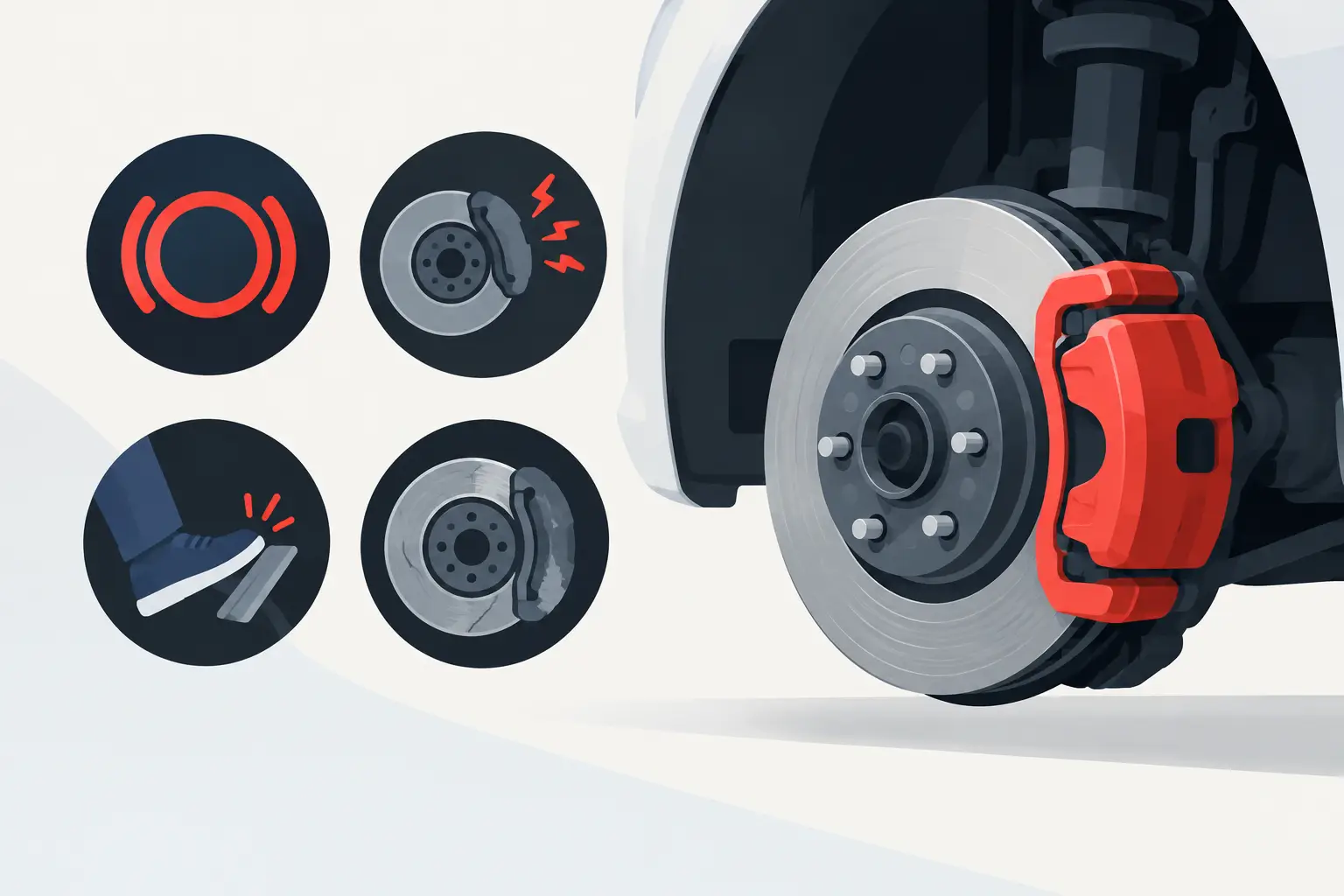
A brake pedal that suddenly feels soft, a steering wheel that shakes when you stop, or a squeal that gets louder every morning can turn a normal commute into a real safety concern. Brake repair is not a service to put off until your next oil change. Your brakes are the system that gives you control when traffic stops short, a child crosses the street, or rain makes the road slick.
The good news is that many brake problems give you warning before they become more expensive or more dangerous. Knowing what those warnings mean can help you schedule service at the right time, avoid unnecessary damage, and get back on the road with confidence.
When Brake Repair Cannot Wait
Some brake symptoms require prompt attention. If your brake warning light comes on, the pedal goes close to the floor, or the vehicle pulls sharply when braking, arrange an inspection as soon as possible. If you have trouble stopping, smell something burning near a wheel, or hear grinding metal when you press the brake pedal, it is safer not to keep driving the vehicle.
Grinding often means the brake pad material has worn away and metal is contacting the rotor. At that point, what may have started as a pad replacement can also require rotor replacement or machining, depending on the rotor’s condition. Continuing to drive can raise the cost and reduce stopping performance.
A brake fluid leak also needs immediate attention. Brake fluid transfers the force from your foot to the brakes at each wheel. A low fluid level can sometimes point to worn pads, but it can also indicate a leak in a line, hose, caliper, wheel cylinder, or master cylinder. A technician should determine the cause instead of simply topping off the fluid.
Common Signs Your Brakes Need Service
Not every brake issue is an emergency, but unusual changes are worth checking. Squealing is one of the most common signs. Many brake pads have wear indicators designed to make a high-pitched sound when the pads are nearing the end of their useful life. However, noise can also come from dust, moisture, glazed pads, or hardware that needs attention. An inspection is the only way to know whether replacement is necessary.
Vibration or pulsation in the pedal or steering wheel during braking can indicate uneven rotor wear. This is often described as warped rotors, though the issue may also involve rotor thickness variation or brake pad material deposits. The repair depends on rotor measurements, pad condition, and the vehicle manufacturer’s specifications. Replacing parts without measuring them first is not the right approach.
A vehicle that pulls to one side can be caused by a sticking caliper, uneven pad wear, contaminated brake components, tire issues, suspension wear, or alignment concerns. Because several systems can create a similar feeling, clear diagnostics matter. The goal is to fix the actual cause, not replace parts based on a guess.
You may also notice that the pedal feels spongy, unusually hard, or requires more pressure than before. A soft pedal may be related to air in the brake lines, old fluid, or a hydraulic issue. A hard pedal can point to a brake booster or vacuum concern. Either way, a change in pedal feel deserves a professional inspection.
What Brake Repair May Include
Brake systems are made up of several parts that work together. The service your vehicle needs depends on wear, condition, and the source of the concern. A proper inspection typically looks at pad or shoe thickness, rotor or drum condition, calipers, brake hoses, fluid, hardware, and the parking brake when applicable.
For many vehicles, routine brake service involves replacing worn brake pads and inspecting or servicing the rotors. Rotors may be replaced when they are too thin, damaged, rusted, or outside manufacturer specifications. In some cases, a rotor can be resurfaced if there is enough material remaining and its condition allows it. New pads on damaged or uneven rotors may lead to noise, vibration, or shorter pad life, so the two should be evaluated together.
Some vehicles use rear drum brakes rather than rear disc brakes. Drum brake service may include shoes, drums, springs, adjusters, and wheel cylinders. Because the components are enclosed, wear can be easier to miss until braking performance changes or a technician removes the drum for inspection.
Brake fluid service is another item that may be recommended based on age, contamination, moisture content, or manufacturer maintenance intervals. Brake fluid absorbs moisture over time. When moisture builds up, it can lower the fluid’s boiling point and contribute to internal corrosion. Whether your vehicle needs a fluid exchange now depends on its maintenance history and the condition of the fluid, not a one-size-fits-all schedule.
Why Waiting Can Cost More
Brake pads are designed to wear out. Rotors, calipers, and hydraulic components are more expensive when they are damaged by neglected pads or leaking fluid. Addressing a squeal or a dashboard warning early may keep the repair limited to normal wear items rather than major component replacement.
There is also the daily cost of uncertainty. A driver who is not sure whether the vehicle will stop smoothly may brake earlier, avoid freeway driving, or worry every time traffic slows down. Reliable brakes matter for family vehicles, work trucks, rideshare cars, and fleet vehicles that need to stay on the road.
That said, early service does not mean replacing every brake part at the first sign of wear. Pads can have useful life left, and brake noise does not automatically mean a full brake job. Honest brake repair starts with measuring the parts, explaining what was found, and separating work that is needed now from maintenance that can wait.
How to Help Your Brakes Last Longer
Driving habits and local conditions affect brake wear. Stop-and-go traffic, steep grades, heavy loads, towing, and frequent short trips can wear pads more quickly. Aggressive braking creates more heat and can shorten the life of pads and rotors.
You can reduce unnecessary wear by leaving more following distance, slowing down gradually when traffic allows, and avoiding riding the brake pedal on downhill roads. If your vehicle sits for long periods, surface rust can develop on rotors, especially near the coast or during damp weather. Light surface rust may clear after normal driving, but persistent grinding, pulsation, or poor braking should be inspected.
Keep up with tire maintenance as well. Tires with uneven wear or low pressure can affect traction and make braking feel less stable. Brake performance is not only about the brake components. It is also about how the tires, suspension, steering, and traction systems work together.
What to Expect at a Brake Inspection
A quality inspection should give you straightforward answers. The technician should identify the concern, inspect the relevant brake components, and explain what is causing the issue in plain language. You should know which repairs are necessary for safe operation, which items are recommended for preventive maintenance, and what the estimate includes before work begins.
At Best Smog Station & Auto Repair, the focus is on clear diagnostics and necessary-only repairs. Whether you drive a commuter sedan, family SUV, work van, truck, or imported vehicle, the right service starts with understanding how the brakes are performing now, not making assumptions about what they need.
If you hear a new noise, feel vibration while stopping, or notice a warning light, schedule a brake inspection before the problem becomes a bigger interruption. A timely check can protect your vehicle, your budget, and the people riding with you on every trip through National City and beyond.