The Emissions Testing Future for California Drivers
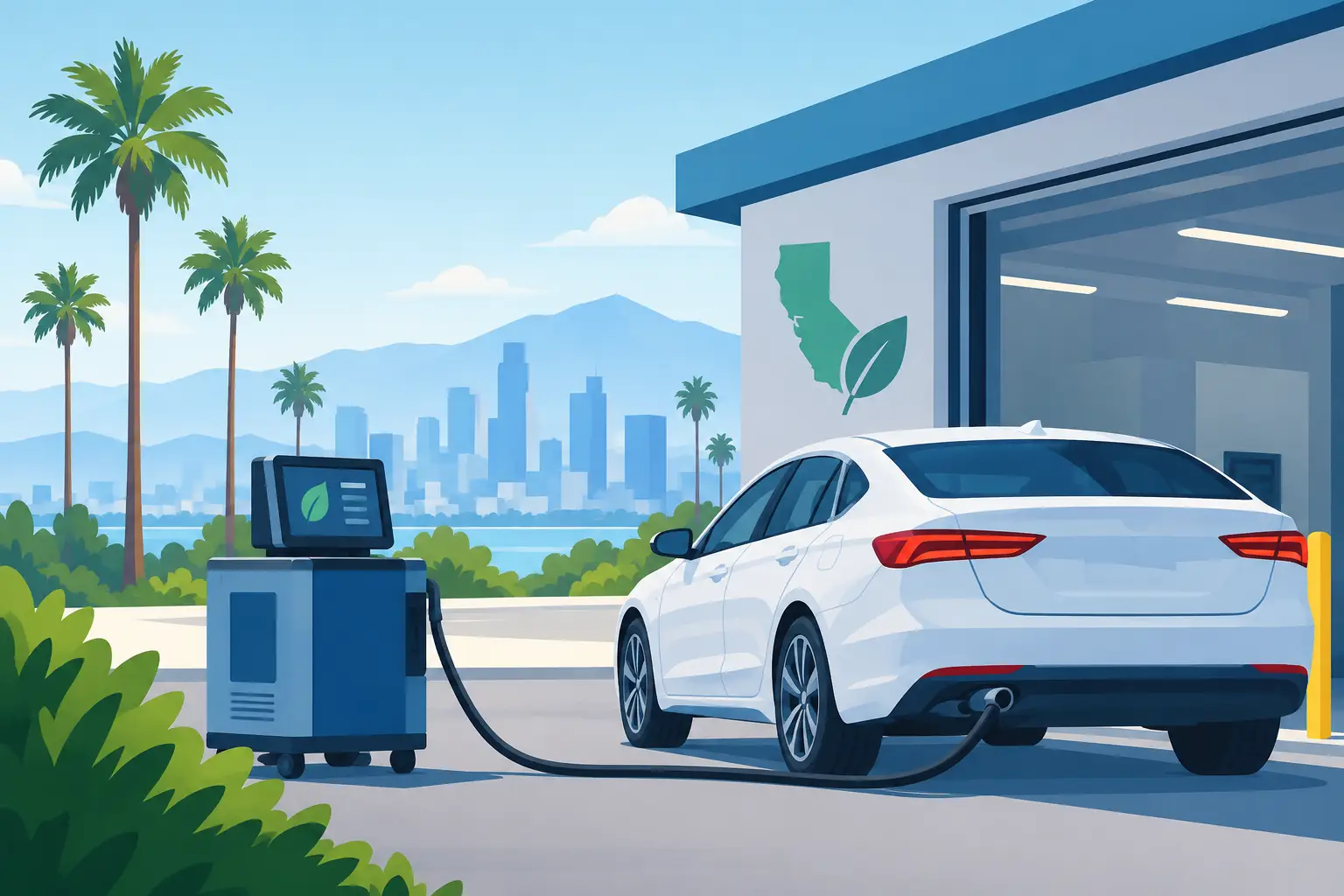
A smog check used to feel like a simple pass-or-fail errand. Pull in, wait a few minutes, get the certificate, and move on with registration. The emissions testing future is changing that experience. California inspections are becoming more data-driven, and vehicles are increasingly evaluated through both tailpipe results and onboard computer information.
For drivers, that does not have to mean more stress. It does mean that keeping up with maintenance, warning lights, and small drivability issues matters more than ever. A vehicle that runs well is usually easier to inspect, easier to register, and less likely to leave you dealing with a surprise repair right before a DMV deadline.
Why emissions testing is changing
California has some of the country’s strictest air-quality goals, especially in areas where traffic, shipping, construction, and daily commuting all contribute to pollution. Vehicle emissions programs help identify cars and trucks that release excessive pollutants, often because of a failing part, an engine problem, or a damaged emissions-control system.
The goal is not to make life harder for owners of older vehicles. It is to find problems that affect air quality while encouraging repairs that also improve reliability, fuel economy, and engine performance. A malfunctioning oxygen sensor, misfiring spark plug, leaking vacuum line, or failing catalytic converter can raise emissions. Those same issues can also cause poor acceleration, rough idling, lower gas mileage, and an illuminated Check Engine light.
The testing process has already moved away from relying only on what comes out of the tailpipe. Many newer vehicles communicate important information directly from their onboard diagnostic system, often called OBD. That system monitors emissions-related components and records trouble codes when it detects a problem.
The emissions testing future will rely more on vehicle data
For many modern vehicles, the inspection equipment can read information from the vehicle’s computer. This allows the test to confirm that the Check Engine light is operating properly, there are no emissions-related fault codes, and required readiness monitors have completed their self-checks.
Readiness monitors are one reason a vehicle can fail even after a repair has been completed. If the battery was disconnected, the codes were cleared, or certain repairs were recently made, the computer may need time and normal driving conditions to rerun its tests. The car may feel fine, but its system may not yet be ready for inspection.
That is why clearing a warning light right before a smog check is rarely a real solution. The light may return, and the monitors may show as incomplete. The better approach is to diagnose the reason for the code, complete the necessary repair, and allow enough driving time for the vehicle to verify that the system is working correctly.
For owners, the practical takeaway is simple: do not wait until the last day of registration to find out what your vehicle needs. A little lead time gives you room to test, repair if needed, and return without rushing.
Better technology can mean faster answers
More detailed vehicle data can make inspections more accurate and help technicians narrow down problems sooner. Instead of guessing why a vehicle failed, a proper diagnostic process can look at fault codes, sensor readings, wiring, fuel control, ignition performance, and the condition of emissions components.
That does not mean every failed inspection requires an expensive repair. Some failures involve a loose fuel cap, a recently cleared computer, or a minor maintenance issue. Other situations are more involved. The difference is in careful testing and clear communication before any work begins.
At Best Smog Station & Auto Repair, the focus is on explaining what the vehicle needs, what can wait, and what will help get you back on the road without unnecessary work.
What stricter standards may mean for older vehicles
Older cars often require more attention because their components have more miles, more heat cycles, and more wear behind them. But age alone does not mean a vehicle will fail. A well-maintained older car can pass emissions testing and remain dependable for years.
The trade-off is that older vehicles may be less forgiving when a part begins to weaken. Small vacuum leaks, worn spark plugs, tired ignition coils, failing sensors, exhaust leaks, and catalytic converter problems can have a bigger effect on performance and emissions than many drivers expect.
Owners of high-mileage vehicles should pay attention to changes such as rough starts, hesitation, a fuel smell, reduced mileage, engine vibration, or a Check Engine light. Addressing those symptoms early is usually less disruptive than waiting until the vehicle fails a required inspection.
There are also cases where repair decisions depend on the vehicle’s condition and value. If an older car needs a major emissions repair, a good shop should explain the diagnosis, provide a clear estimate, and help you understand the options. There is no one-size-fits-all answer, especially for a vehicle that is otherwise reliable and well cared for.
Electric and hybrid vehicles are part of the picture
As more drivers choose hybrids and electric vehicles, emissions programs will continue to adjust. Fully electric vehicles do not have tailpipe emissions, but they still require safe, reliable systems such as brakes, tires, suspension, steering, cooling components, and electrical equipment.
Hybrid vehicles use both an engine and electric drive components. Their gas engines still depend on proper maintenance and functioning emissions equipment. Skipping oil changes, ignoring warning lights, or delaying engine repairs can still create problems for hybrid owners.
The future of cleaner transportation will include different vehicle types, but basic maintenance will remain important. Whether a driver owns a gas-powered sedan, a work truck, a hybrid SUV, or a fleet vehicle, staying ahead of small issues reduces downtime and helps avoid last-minute surprises.
How to prepare for your next smog inspection
The most useful preparation starts weeks before registration is due. If the Check Engine light is on, schedule diagnostics before you need the certificate. Waiting can limit your options, particularly if a repair requires parts or if readiness monitors need driving time to reset.
Before the inspection, make sure the vehicle has been driven normally and has enough fuel. Avoid disconnecting the battery or clearing diagnostic codes shortly before testing. If recent repairs were performed, ask whether the vehicle’s readiness monitors have completed.
Routine maintenance also supports cleaner operation. Fresh oil at the recommended interval, properly working spark plugs, clean air intake components, healthy battery connections, and timely cooling-system repairs all help the engine operate as designed. Not every maintenance service directly determines a smog result, but neglected maintenance often leads to the issues that do.
For drivers who are unsure what a warning light means, a professional diagnostic check is more useful than guessing. Modern vehicles may store a code related to many different causes. Replacing parts based on the code alone can waste money. Testing the system first helps identify the actual problem.
Fleet owners need a proactive plan
For local fleets, an emissions failure can mean more than a delayed registration. It can take a work vehicle out of service, interrupt deliveries, affect scheduling, and create pressure to make rushed decisions. Fleet maintenance is most effective when inspections, oil changes, brake service, diagnostics, and repairs are planned before they become emergencies.
A consistent service schedule also creates a record of what has been inspected and repaired. That makes it easier to spot repeat issues and budget for upcoming work. The right plan depends on mileage, load, driving conditions, and how critical each vehicle is to daily operations.
Cleaner air and reliable cars go together
The direction of emissions testing is clear: inspections will continue to use better information, identify problems more precisely, and support cleaner transportation across California. For most drivers, the best response is not to worry about every technical change. It is to keep the vehicle maintained, take warning lights seriously, and leave enough time before registration deadlines.
If your car is running differently or your smog due date is approaching, getting answers early can save time, reduce stress, and keep a small issue from becoming a larger repair.