
What Causes Brake Squealing? Common Reasons
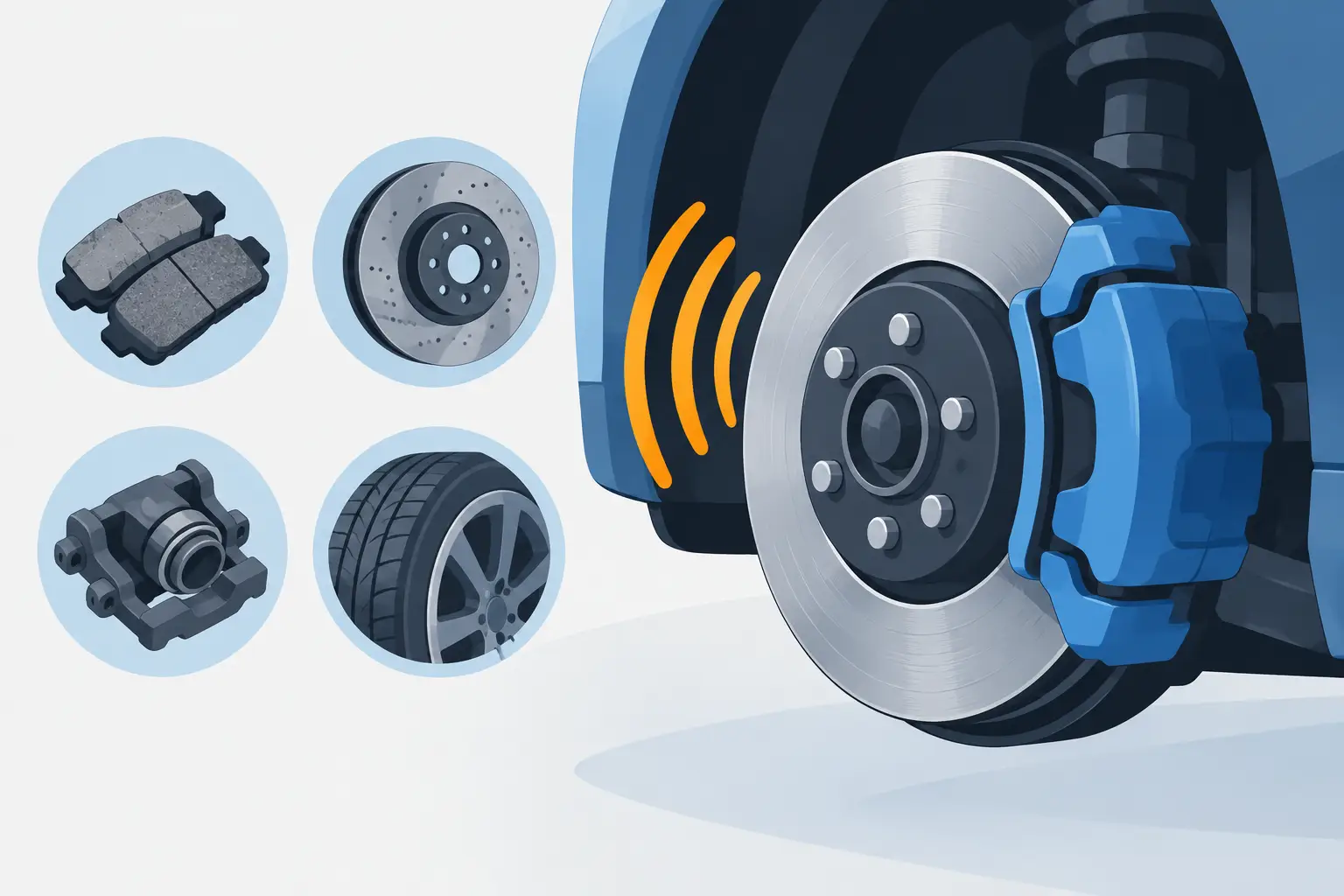
That sharp squeal when you ease up to a stop can be embarrassing in a parking lot, but it is also your vehicle’s way of asking for attention. What causes brake squealing depends on when it happens, how long it lasts, and what other symptoms come with it. Sometimes the sound is harmless. Other times, it is an early warning that can prevent a larger brake repair.
What Causes Brake Squealing?
Most brake squealing comes from vibration. When brake pads press against the rotors, the friction that slows your vehicle can create high-frequency vibrations. Under the right conditions, those vibrations become a squeak or squeal you can hear inside and outside the car.
That does not automatically mean your brakes are failing. Brake systems deal with heat, moisture, road dust, and constant pressure. The key is to notice the pattern. A brief squeal after your vehicle has been parked overnight is different from a loud, constant noise every time you stop.
A qualified brake inspection can identify the source without guessing. The technician should check the pads, rotors, calipers, brake hardware, and surrounding components before recommending repairs.
Morning moisture and surface rust
In National City and throughout the San Diego area, moisture from overnight dew or coastal air can leave a light layer of rust on bare metal brake rotors. The first few stops of the day may produce a light squeal as the pads clean that surface away.
This type of noise usually disappears after a short drive and does not affect how the brake pedal feels. If it continues through the day, becomes louder, or is joined by vibration, it is worth having the brakes checked.
Brake pads reaching the end of their service life
Many brake pads include a small metal wear indicator. As the pad material gets thin, that tab contacts the rotor and creates a high-pitched squeal. It is designed to get your attention before the pad wears down completely.
Do not wait for the sound to become grinding. Replacing pads while there is still usable rotor surface often keeps the repair simpler and less expensive. Waiting too long can allow metal backing plates to contact the rotors, which can damage them quickly.
Pad material and normal brake noise
Not every pad compound sounds the same. Performance-oriented, semi-metallic, and heavy-duty pads may squeal more than softer organic compounds, especially when cold. Some vehicles are also more prone to noise because of their brake design.
There is a trade-off here. A pad that is built for strong stopping power, heat resistance, or towing may create more noise than a softer pad. That does not mean it is the wrong pad. It does mean the pad choice should match how you use your vehicle, whether you commute, drive for rideshare, haul equipment, or spend time in stop-and-go traffic.
Glazed pads or rotors
Brakes get extremely hot during repeated hard stops, long downhill driving, or heavy loads. If the pads or rotors overheat, their surfaces can become smooth and hardened. This is called glazing.
Glazed brakes may squeal, feel less responsive, or require more pedal pressure than usual. In some cases, the affected parts can be resurfaced or cleaned up. In others, replacement is the safer long-term repair. The right answer depends on rotor thickness, pad condition, and whether overheating caused additional damage.
Missing or worn brake hardware
Brake pads need properly fitted clips, shims, and anti-rattle hardware to stay aligned and control vibration. When those pieces are worn, bent, missing, or incorrectly installed, even new pads can make noise.
This is one reason a brake job should involve more than installing pads. Quality workmanship includes inspecting the hardware, lubricating the appropriate contact points, and confirming the caliper can move as designed. Skipping these details may save a few minutes at installation, but it can leave you with noisy brakes and uneven pad wear.
Dirt, debris, or a small stone
Road grit can collect around the brake components. A small rock caught between a rotor and backing plate can create an irritating scraping or squealing sound, sometimes even when you are not pressing the brake pedal.
This can happen after driving on rough roads, through construction areas, or over loose gravel. It may clear on its own, but persistent scraping should be inspected. Trying to reach behind a hot wheel or rotor yourself is not a good idea.
Uneven rotors and sticking calipers
A rotor that is worn unevenly can cause pulsing in the brake pedal, steering-wheel shake while braking, and occasional noise. Rotors do not always need replacement with every pad change, but they must meet thickness and surface-condition specifications to remain safe.
A sticking caliper can also create squealing because it keeps a pad lightly pressed against the rotor when you are not braking. You may notice a burning smell, one wheel that feels unusually hot, reduced fuel economy, or a vehicle that pulls to one side. This is not a wait-and-see problem. Continued driving can overheat the brake system and reduce stopping performance.
When Brake Squealing Is More Serious
The sound itself matters, but the way your vehicle drives matters more. Schedule an inspection soon if squealing is frequent, gets worse, or occurs during normal braking after the vehicle is warmed up.
Treat it as urgent when the noise changes to grinding, growling, or harsh metal-on-metal scraping. Those sounds can mean the pads are worn through or a brake component is damaged. Stop driving and arrange service as soon as it is safe if you also notice a soft pedal, a brake warning light, a strong burning odor, fluid near a wheel, pulling during braking, or significantly longer stopping distance.
Brake noise should never be diagnosed by sound alone. Two vehicles can make a similar squeal for completely different reasons. A visual inspection and measurement of the pad and rotor condition provide a much clearer answer.
What You Can Check Before Your Appointment
You do not need to take wheels apart to provide useful information. Pay attention to whether the sound happens only on the first stop of the day, only when braking lightly, or every time you use the brakes. Notice whether it comes from the front or rear, and whether rain, car washes, steep hills, or heavy traffic seem to trigger it.
Also take note of pedal feel. A firm, normal pedal with a brief morning squeal is less concerning than a spongy pedal paired with constant noise. If a warning light appears, do not assume it is related only to worn pads. Brake warning lights can point to low fluid or another system issue that needs prompt attention.
Avoid spraying cleaners, lubricants, or household products onto your brake components. These products can contaminate pads and rotors, reduce braking performance, or make the diagnosis harder. The best short-term step is simply to drive cautiously and have the system inspected if the noise persists.
How a Professional Brake Inspection Helps
A proper inspection starts with your description of the noise and a road test when appropriate. From there, a technician can measure pad thickness, inspect rotor condition, check caliper operation, examine brake fluid, and look for damaged shims, clips, or backing plates.
At Best Smog Station & Auto Repair, the goal is to explain what is causing the noise and recommend only the work your vehicle actually needs. Sometimes that means planning for pads soon. Sometimes it means correcting hardware or cleaning out debris. If the system has more extensive wear, you should receive a clear explanation of the repair, the safety concern, and the expected cost before work begins.
Brake squealing is easier to handle when you address it early. Listen for changes, pay attention to how the pedal feels, and give your vehicle a professional inspection before a small noise turns into an avoidable interruption to your day.